
What Homeowners Should Know Before Filing a Roof Claim
A lot of homeowners feel pressure to file a roof claim immediately after a storm. That pressure usually comes before they fully understand what happened to the roof, whether the damage appears storm-related, how serious the problem really is, or whether the situation even looks claim-worthy in the first place.
This page exists to slow that process down in a smart way. The goal is not to delay for no reason. The goal is to help homeowners make a better decision by understanding what should be documented, what questions should be answered first, and what mistakes are worth avoiding before a claim is filed.
The First Thing to Understand: Not Every Roof Problem Should Become a Claim
This is where many homeowners get sideways fast. A roof problem does not automatically mean insurance is the right answer.
Some roofs clearly show storm-related damage. Others show age, wear, maintenance issues, flashing failure, older repairs, or isolated conditions that may not justify filing a claim. Filing before you understand that difference can create confusion and weaken the whole conversation.
- Some problems are sudden and storm-related
- Some problems are isolated and repairable
- Some problems reflect broader age or wear rather than a covered event
- The smarter decision usually starts with understanding the roof condition first
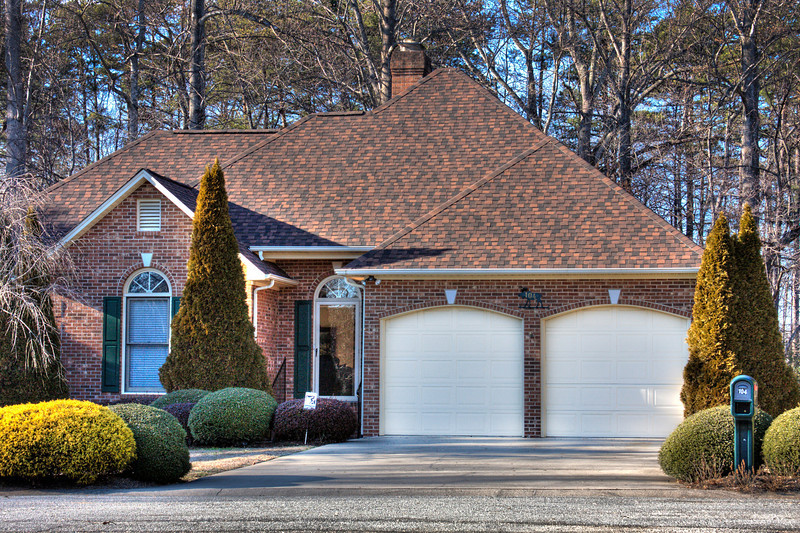
What Homeowners Should Do Before Filing
The best first moves are usually the least dramatic ones: protect the property if needed, document what is visible, and get a clearer understanding of the roof before escalating the situation.
Document What You Can Safely See
Take note of missing shingles, visible debris impact, ceiling stains, drips, bubbling paint, attic moisture, or other signs that something changed after a storm.
Connect the Timeline
When did the issue appear? Was there a recent hail or wind event? Was the leak new after a storm, or has the roof been showing age-related problems for a while?
Protect the Property if Needed
If water intrusion is active, temporary protection and fast inspection matter more than guessing from the ground and hoping it clears up.
Get the Roof Evaluated Before Guessing
The best next step is often a professional inspection that helps determine whether the roof appears storm-related, repairable, or headed toward a broader replacement conversation.
The Biggest Mistakes Homeowners Make Before Filing
These mistakes are common, and they are avoidable.
Filing Too Quickly
One of the biggest mistakes is filing before the roof condition is understood and before the visible evidence has been documented well.
Assuming Every Roof Issue Is Storm Damage
Some roofs have age, wear, maintenance issues, or isolated repair concerns that do not automatically point to a claim-worthy storm event.
Listening to Pressure Instead of Facts
Neighbors, door-knockers, and post-storm pressure often create more confusion than clarity. The goal is documented facts, not noise.
Skipping the Inspection Step
Trying to decide whether to file before the roof is evaluated is how people end up making insurance decisions without understanding the actual roofing problem.
Why an Inspection Before Filing Usually Helps
A professional inspection helps answer better questions before a homeowner takes a bigger step.
- Does the roof appear to have hail or wind-related damage?
- Does the issue look isolated and repairable, or more widespread?
- Do interior leak signs or attic findings support the suspected roof problem area?
- Does the roof condition look more like wear, storm damage, or a mix of both?
- What documentation should the homeowner preserve right now?
That clarity is usually more valuable than rushing into a claim conversation based on assumptions.
Why Documentation Matters Before Filing
A stronger claim conversation usually starts with stronger findings. Roof-level photos, interior leak evidence, attic moisture signs, and marked-up inspection documentation help homeowners understand what they are dealing with before they make a larger insurance decision.
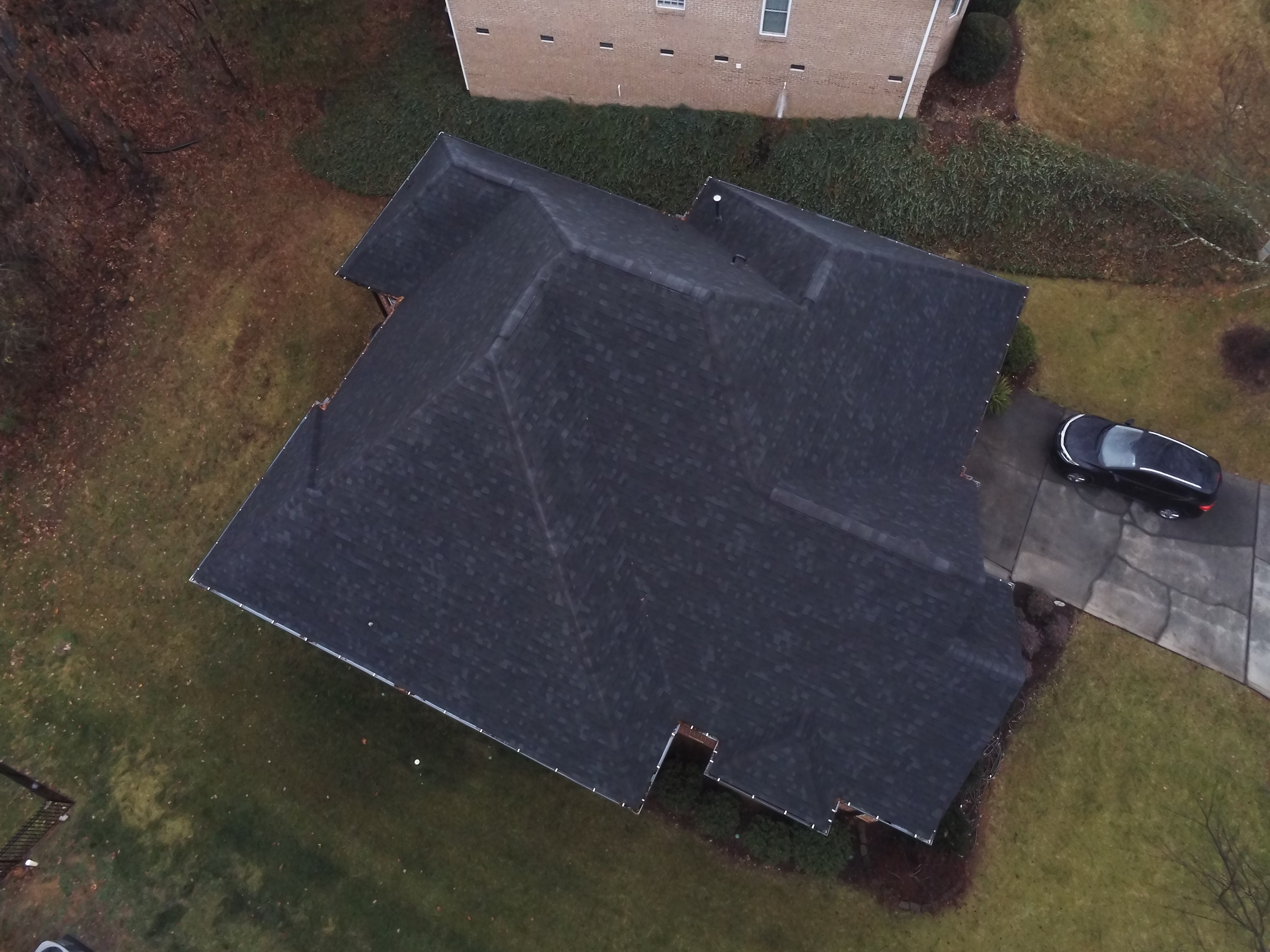
Roof-level review: Drone-assisted imagery can help inspect upper roof sections, valleys, ridge areas, and other locations that are not easy to evaluate well from the ground.
Interior evidence: Ceiling stains, attic moisture, and leak-path findings can help support the roof story when visible roof symptoms alone do not explain everything clearly.
Questions Worth Asking Before You File
These are better questions than simply asking, “Should I file?”
What visible evidence supports that this appears storm-related?
Look for a fact-based answer, not a dramatic one.
Is the issue isolated, or are multiple areas involved?
The answer changes the likely scope conversation significantly.
Does this appear repairable, or does it suggest broader damage?
Some roofs need targeted repair. Others point toward a larger decision.
What should I save or document right now?
That question alone often improves the quality of the entire process.
Frequently Asked Questions
These are some of the most common questions homeowners ask before deciding whether to file a roof insurance claim.
Should I have my roof inspected before filing an insurance claim?
In many cases, yes. A professional roof inspection can help clarify whether damage appears storm-related, where the problem is located, and whether the issue appears isolated or more widespread.
Does roof damage automatically mean I should file a claim?
No. Not every roof issue is a claim issue. Some roofs have age-related wear, maintenance issues, or limited repair needs that may not justify filing a claim.
What should I document before filing a roof claim?
Homeowners should document visible exterior conditions, interior leak signs, attic moisture if safely accessible, dates of storm activity when known, and any temporary protection or emergency measures that were needed.
What is the biggest mistake homeowners make before filing a roof claim?
One of the biggest mistakes is filing too quickly without first understanding what actually happened to the roof, what evidence exists, and whether the issue appears storm-related or not.
Need Clarity Before Filing a Roof Claim?
If your roof may have storm damage and you want a clearer answer before deciding whether to involve insurance, start with inspection and documentation instead of assumptions.