How do I know if hail damage is real?
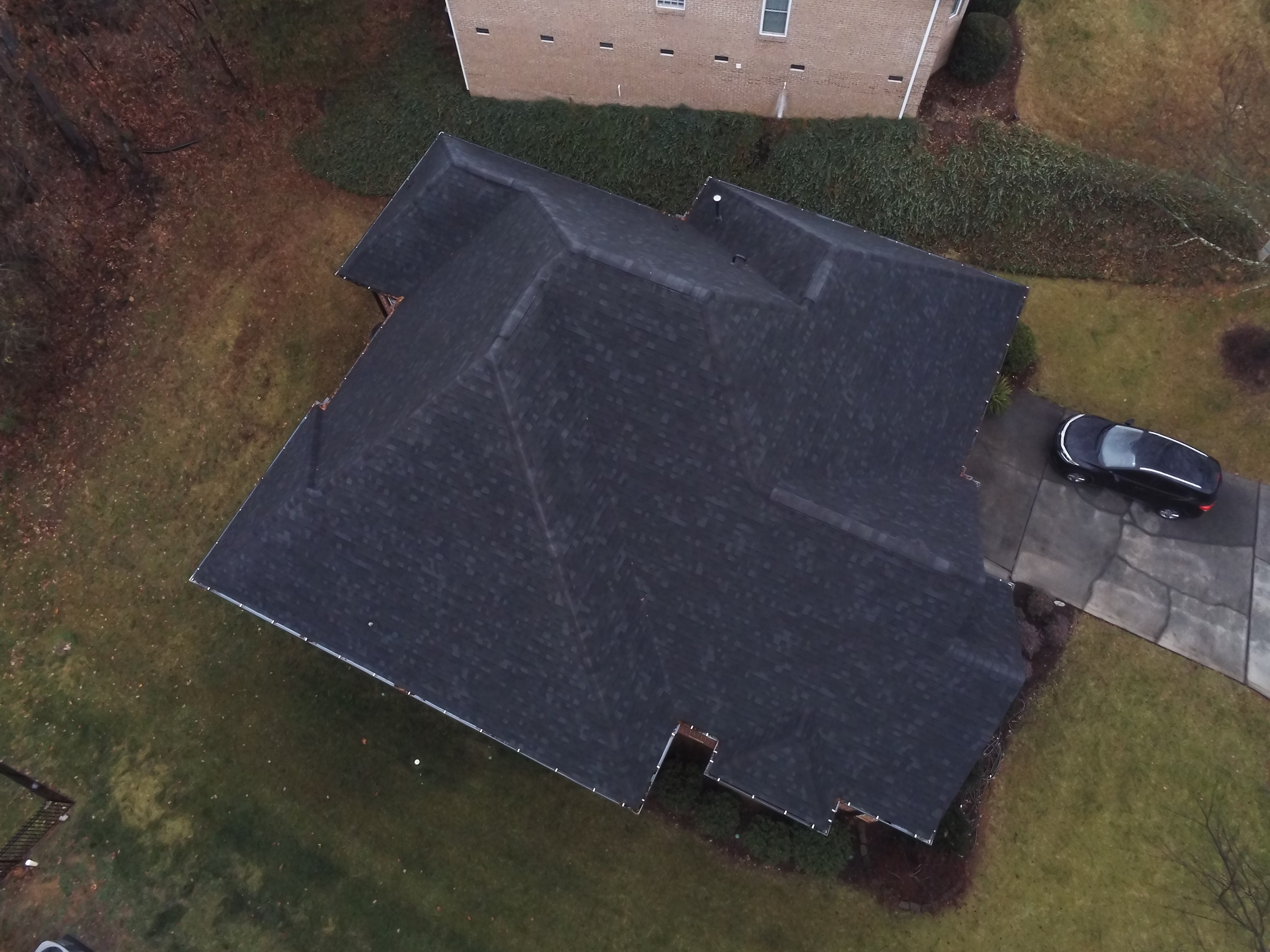
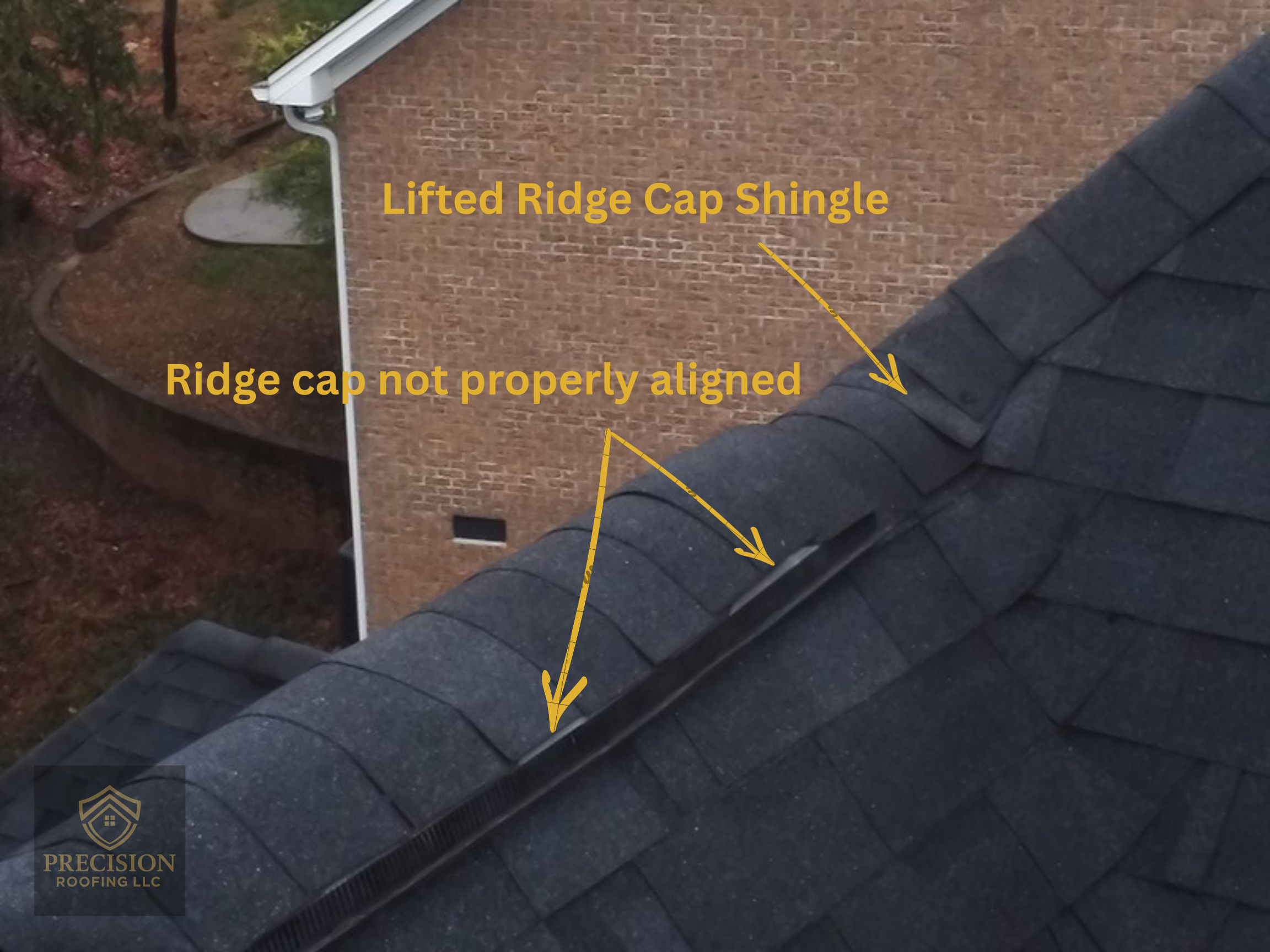
This is a fair question. Hail damage isn’t always obvious from the ground. Sometimes the shingle still looks “fine,” but the impact bruised the mat underneath.
A proper inspection looks for:
- Consistent impact patterns (not random wear)
- Damage to soft metals like vents and flashing
- Granule displacement with underlying bruising
If damage is real, it will be repeatable and measurable — not something that requires imagination. If it’s not there, we’ll tell you that too.
Can a roof look fine but still need to be replaced?
Yes. Insurance doesn’t replace roofs because they “look bad.” They replace them when storm damage compromises the system’s function or lifespan.
A roof can look normal from the yard and still be damaged in a way that shortens its life. That’s why documentation matters. We don’t guess — we document what’s actually there and explain it clearly.
Should I call my insurance company before or after an inspection?
Most of the time: after an inspection.
If you file a claim without documentation, you may create claim history even if the roof doesn’t qualify. An inspection first helps you understand whether a claim makes sense and gives you accurate information if you proceed.
Does insurance really pay for roof replacement after storms?
Yes — when the damage meets their criteria. They don’t replace roofs for age or general wear.
Approval depends on documentation, scope, and policy language. That’s why the inspection and paperwork matter more than promises or opinions.
What happens if insurance denies the claim?
A denial isn’t always the end of the road — but it does mean you stop and reassess.
Sometimes claims are denied because documentation wasn’t clear, items were missed, or the damage didn’t meet thresholds. Other times the denial is legitimate. We’ll tell you honestly which situation you’re in.
Is it normal for neighbors to all get new roofs after a storm?
Yes. Storms don’t respect property lines. If a hail or wind event hits a neighborhood, multiple homes are often affected.
This doesn’t mean every roof qualifies automatically — but it explains why replacements tend to happen in waves on the same streets.
How long after a storm can I file an insurance claim?
It depends on your policy, but many homeowners have months (sometimes longer). Waiting too long can make documentation harder as impacts weather over and granules wash away.
If you believe your roof was exposed to a recent storm, it’s better to inspect sooner — even if you don’t file immediately.
What’s the difference between repair and full replacement?
Repairs make sense when damage is isolated and limited. Full replacement is considered when damage is widespread, repairs aren’t reliable, or matching materials isn’t feasible.
Insurance doesn’t default to replacement — it has to be justified. Our job is to determine which category your roof actually falls into and document it.
Do homeowners really end up paying little to nothing out of pocket?
In many approved insurance replacements, yes — but it depends on your deductible, policy terms, and the final approved scope.
In certain situations, referral credits may be available when neighboring homes are also affected. None of this should be treated as a promise before inspection and approval. We explain options after the facts are clear.
Why don’t you give quotes without an inspection?
Because guessing helps no one. Replacements — especially insurance-related — are based on actual damage, measured scope, materials, and code considerations.
An inspection prevents surprises later and keeps everything honest and accurate.